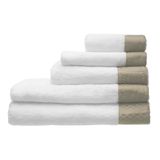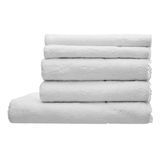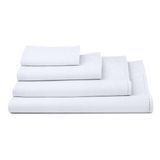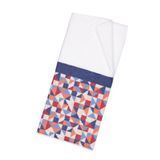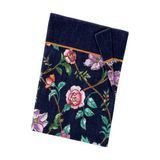
You can recognize a quality towel at first touch: it’s soft, soaks up water quickly and still looks almost new after dozens of washes. A cheap towel does the opposite: it slides over your skin, just spreads the water around, and within six months turns stiff and starts losing loops.
To choose well, you only need to know a few things: what fiber the towel is made of, its density, the yarn and how the edges are finished. In this article, we explain what determines a towel’s softness, absorbency and durability, how to check a towel before you buy it, and how to care for it so it lasts for years.
Material: what a quality towel should be made of
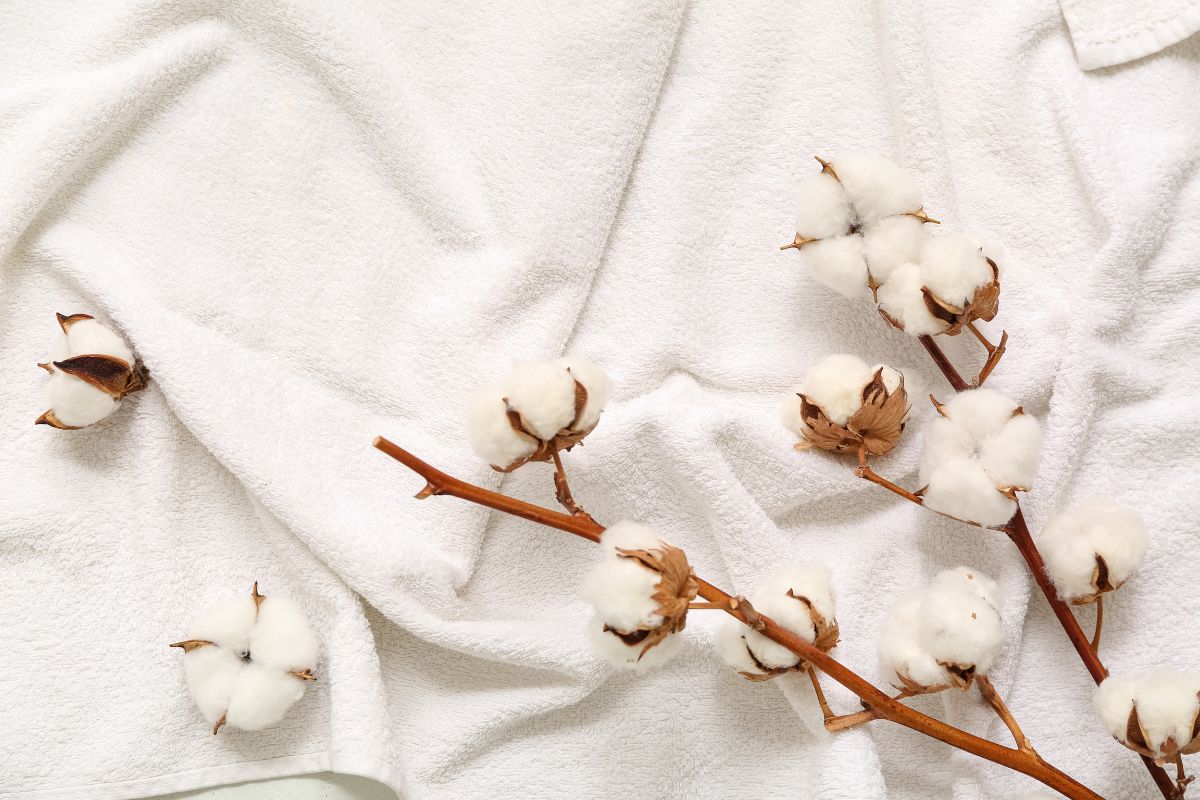
The fiber determines everything at once: how soft the towel is, how fast it absorbs water and how many washes it will survive. For bath towels, natural fibers are the best choice.
Cotton — the classic and the benchmark for quality
Cotton absorbs moisture well, feels pleasant on the skin and handles hot washes easily. But not all cotton is the same, and fiber length is what matters most. The longer the fiber, the finer, stronger and smoother the thread, which means a softer, longer-lasting towel.
- Egyptian cotton (including Giza) is one of the longest fibers in the world. Towels made from it are very soft, plush, highly absorbent and long-lasting. It’s the choice for premium and hotel towels.
- Turkish cotton is a long fiber too; its towels are soft yet dry faster than Egyptian ones. A perfect balance of price and quality.
- Pima and Supima are American long-staple cottons, strong and very soft.
- Regular short-staple cotton is cheaper, but it gets rough faster and sheds more lint.
Look for towels labeled “100% cotton.” Cotton-polyester blends are cheaper and wrinkle less, but they absorb moisture much worse.
Bamboo and modal — silky softness
Bamboo fiber (bamboo viscose) and modal have a smooth surface, so the towel feels silky. They absorb water well, have a subtle sheen and suit people with sensitive skin. They’re most often blended with cotton to make the towel stronger.
Drawbacks: bamboo fiber is weaker when wet, so these towels need gentle washing.
Linen — for those who love a fresh feel
Linen towels have no pile: they’re light, strong, dry quickly and get softer with every wash. They’re great for the sauna, the beach and travel. They absorb well but feel rougher on the skin than terry.
Microfiber — for sports and travel
Synthetic microfiber is light, compact and dries in minutes, which makes it handy at the gym or in a suitcase. For everyday use at home, cotton is the better choice: microfiber can catch on dry skin and builds up static.
Towel density: what GSM means
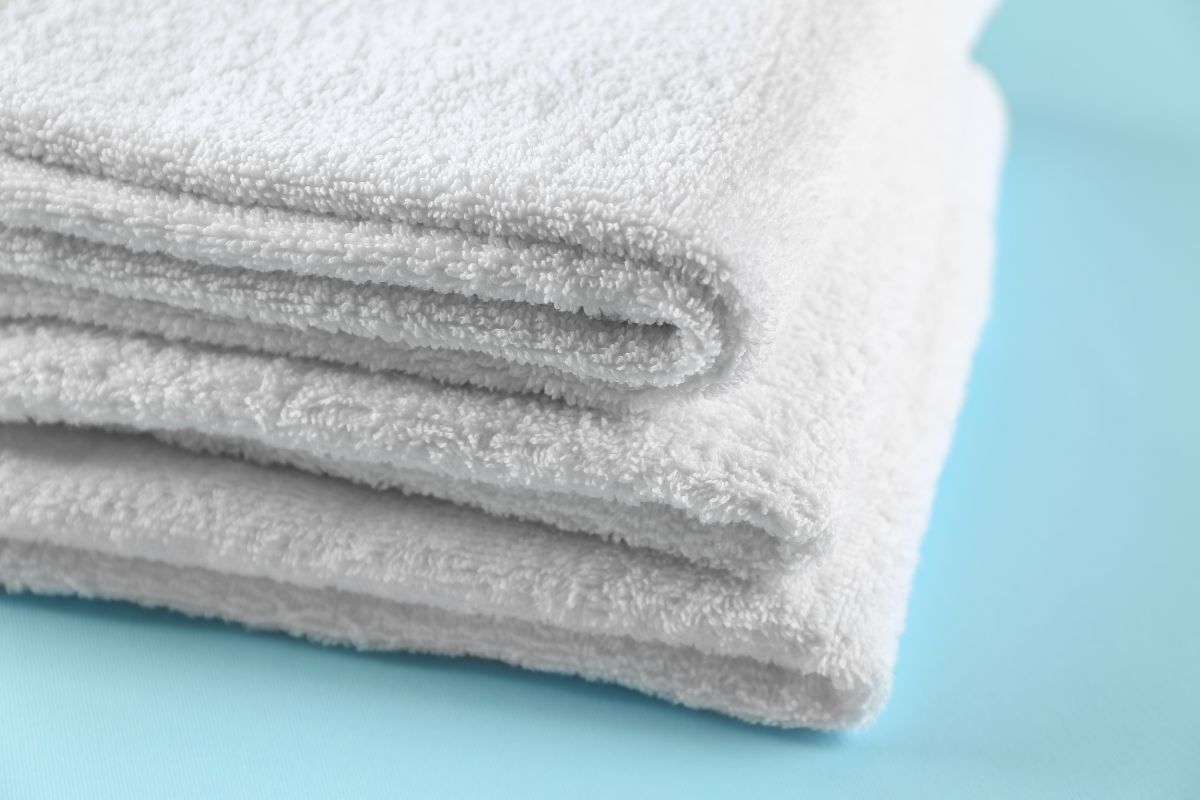
Density is given in grams per square meter (g/m², or GSM). It’s the weight of the fabric: the higher the GSM, the more loops per centimeter, the plusher the towel and the more water it absorbs.
A quick guide:
- 300–400 GSM — light and thin. They dry fast and suit the kitchen, gym, beach and travel.
- 400–500 GSM — medium density. A practical everyday option: soft enough and not too slow to dry.
- 500–600 GSM — dense bathroom towels. Highly absorbent, pleasant to the touch and long-lasting.
- 600 GSM and above — premium “hotel” towels. Heavy, very plush and thick, they feel truly luxurious.
Keep in mind: a very dense towel takes longer to dry. If your bathroom is poorly ventilated, a 550–600 GSM towel will be more comfortable than an 800 GSM one that won’t have time to dry before its next use.
Softness: yarn, twist, pile and weave
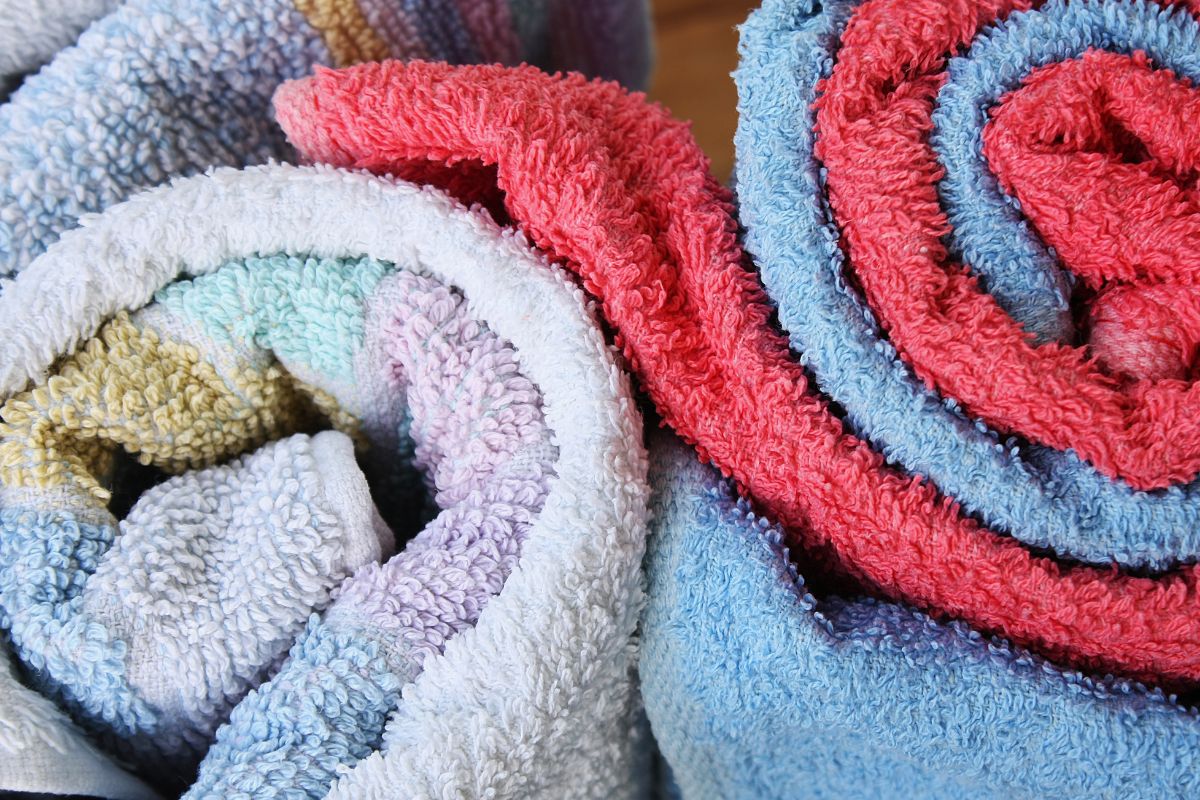
Two towels with the same GSM can feel very different on the skin. The production details make the difference.
Combed cotton
Before spinning, cotton is combed to remove short fibers and impurities. Combed cotton yarn is even and smooth, so the towel is softer, sheds less lint and keeps its look longer. A “combed cotton” label is a good sign.
Yarn twist
The looser the twist, the plusher and softer the towel.
- Zero twist or low twist yarn gives the softest, airiest towels that absorb water beautifully. They may shed a little lint during the first few washes.
- Regular single-ply yarn is the all-round option: soft and practical.
- Two-ply yarn (double thread) is denser and stronger, so the towel lasts longer, but it feels a bit firmer.
Pile height
The ideal loop height for a terry towel is about 4–5 mm. A shorter pile makes the towel stiff and less absorbent. A very long pile feels lovely, but the loops snag and pull out easily.
Weave type
- Terry has loops on both sides. It absorbs water best and is the most common choice for bath towels.
- Velour has the loops sheared on one side, giving a velvety, elegant surface. The velour side absorbs less, though, so it’s better to dry off with the terry side.
- Waffle weave is light, with a textured grid of “cells,” and dries quickly. Great for the kitchen, sauna, or as a lightweight body towel.
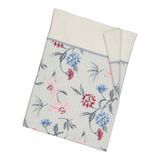
- Jacquard means the pattern is woven into the fabric rather than printed. These towels look more upscale and keep their pattern wash after wash.
Absorbency: why one towel soaks up water and another just spreads it
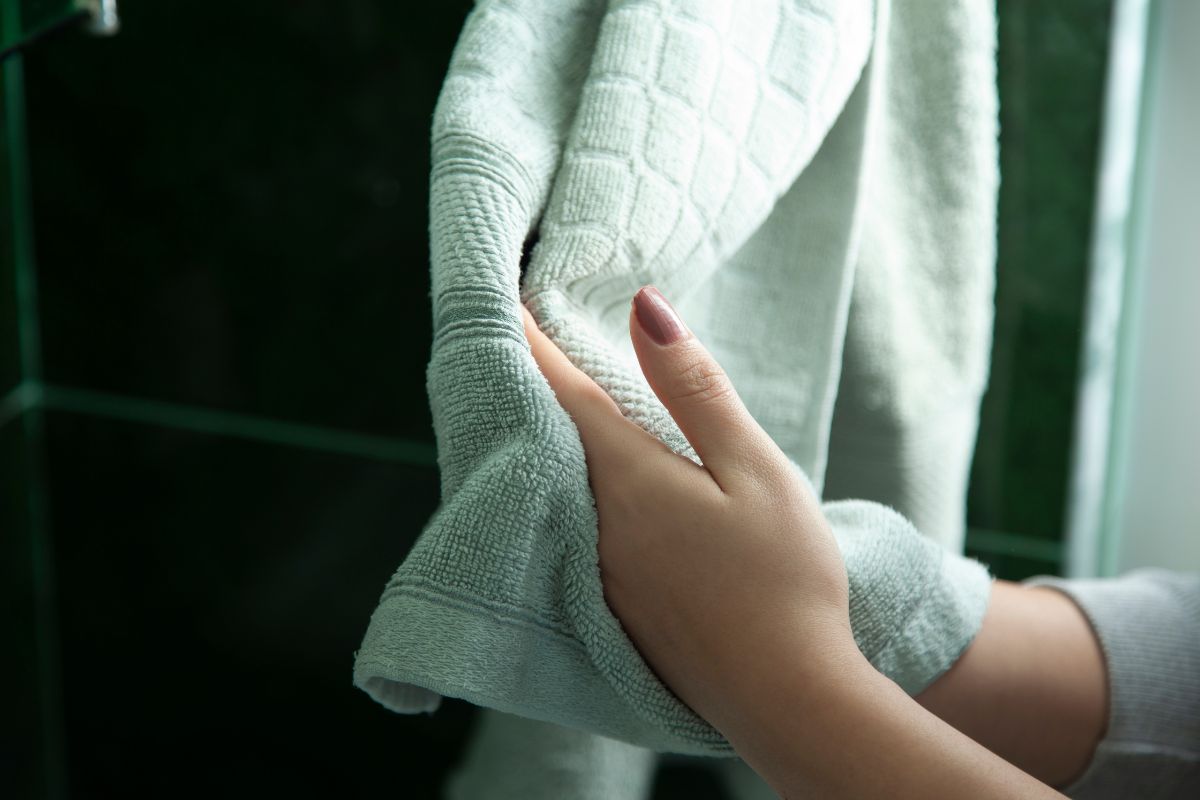
Absorbency is a fabric’s ability to take in and hold moisture. It decides whether you’re dry in a few strokes or rubbing the towel over your skin for ages.
What it depends on:
- Fiber. Cotton, bamboo and modal absorb water well; synthetics do much worse.
- Density and number of loops. More loops mean more surface area in contact with water.
- Yarn twist. Loose, low-twist yarn absorbs moisture faster than tightly twisted yarn.
- Weave type. Terry absorbs best; the velour side absorbs less.
Why a new towel doesn’t absorb well
During production, fabric is treated with softeners and silicone so the towel looks good on the shelf. As a result, new towels often repel water. That’s normal: after 2–3 washes the finish rinses out and the towel starts absorbing properly. So always wash towels before first use.
What reduces absorbency over time
- Fabric softener. It coats the fibers with a film, so the towel feels soft but absorbs less water. Use it rarely and sparingly.
- Too much detergent. Leftover detergent builds up in the pile and makes it stiff. It’s better to use too little than too much, and choose a cycle with an extra rinse.
- Drying on a hot radiator. The fibers dry out and turn coarse.
Durability: signs of a towel that will last for years
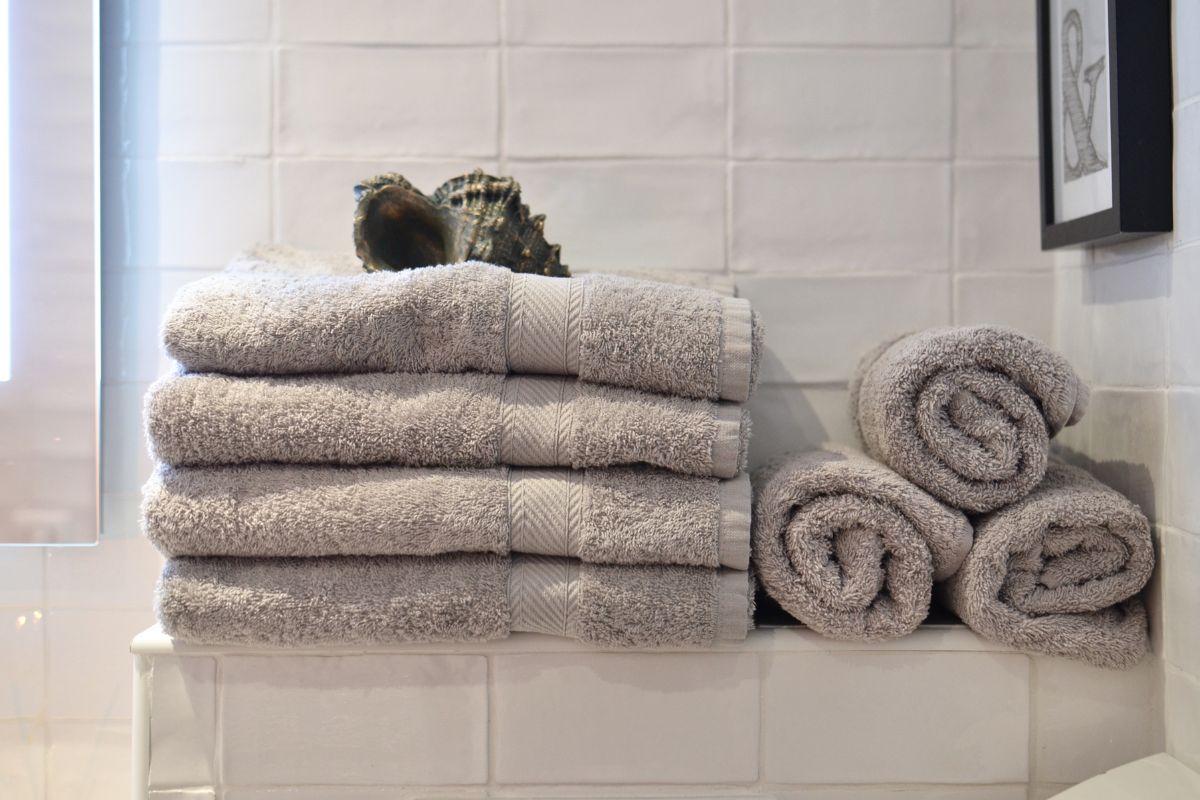
With proper care, a quality cotton towel keeps its look for several years. Durability comes down to fiber, density and construction.
- Long fiber. Egyptian and Turkish cotton and Pima break and shed less, so the towel stays plush longer.
- Dense base. The loops are anchored in the ground fabric. If it’s loosely woven, the loops pull out quickly. Hold the towel up to the light: a quality base doesn’t let light through.
- Neat border. A dense woven band along the edges (the dobby border) keeps the towel from losing its shape after washing.
- Finished edges. The side edges should be even and tightly overlocked, and the short ends folded and double-stitched. No loose threads, no wandering seams.
- Colorfast dye. Color shouldn’t rub off on your hands or a light napkin. An OEKO-TEX Standard 100 label is a plus: it means the fabric has been tested for harmful substances.
- Jacquard pattern instead of print. A woven pattern doesn’t rub off or fade as quickly as a printed one.
Towel sizes and what they’re for
Sizes can vary slightly by manufacturer, but here’s a general guide:
- 30×30 cm — face cloth or guest towel.
- 30×50 and 40×70 cm — for hands, the kitchen or a guest bathroom.
- 50×70 cm — bath mat towel (often a denser weave so it doesn’t slip on the floor).
- 50×90 and 50×100 cm — for the face, hair and hands.
- 70×140 cm — the classic bath towel for the body.
- 80×160 and 100×150 cm — a large bath sheet or beach towel you can wrap yourself in.
- 100×200 cm and larger — a sheet for the sauna, bathhouse or beach.
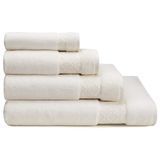
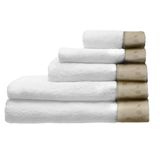
Each person usually needs at least three towels: one for the face, one for the body and one for the feet. To swap them without a rush, it’s best to have two sets each. That’s why buying towels in sets pays off: they match in color and quality and look harmonious in the bathroom. A beautiful towel set in gift packaging is also always an appropriate gift for a housewarming, wedding or holiday.
How to care for towels so they stay soft
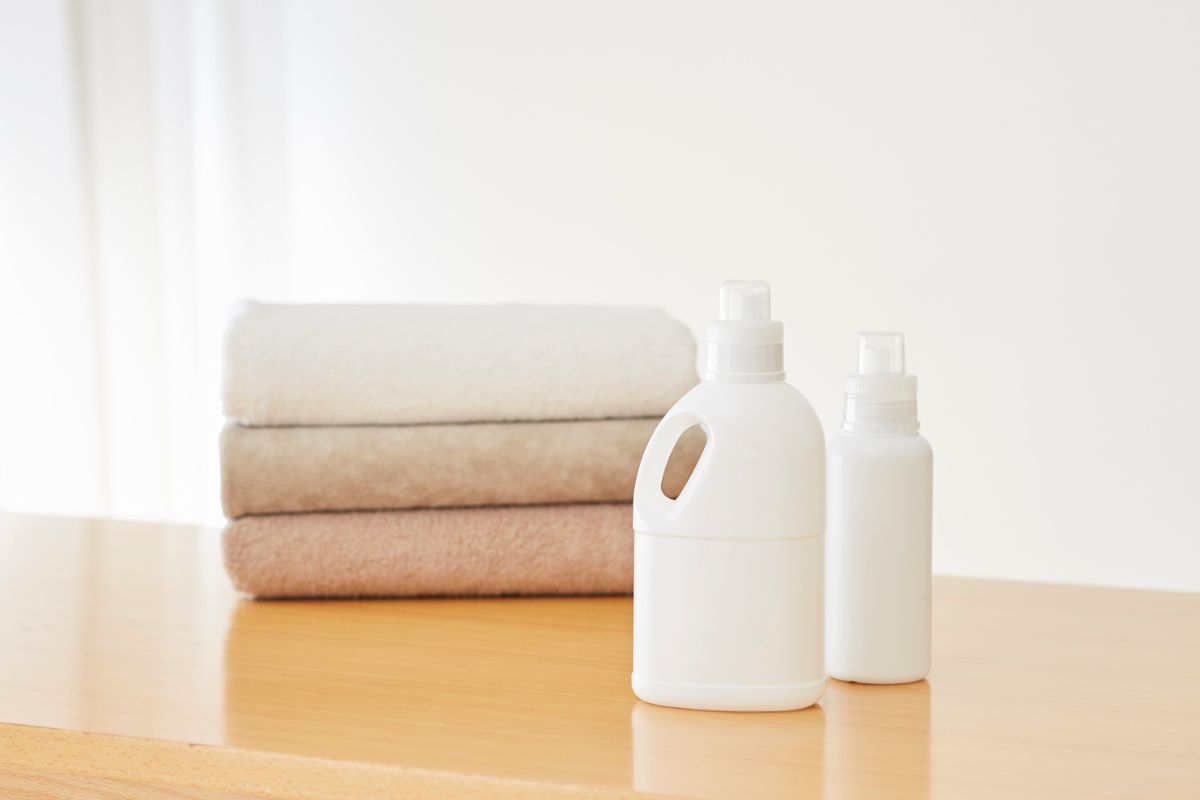
Even the best towel will be ruined quickly by the wrong washing routine. A few simple rules will extend its life for years.
- Wash before first use. This removes the factory finish so the towel can absorb water properly.
- Choose the right temperature. White cotton towels can be washed at 60 °C, colored ones at 40 °C. Bamboo and modal towels at 30–40 °C on a delicate cycle.
- Don’t overload the machine. Towels need room to rinse well; otherwise leftover detergent will make the pile stiff.
- Go easy on fabric softener. Instead, every few washes you can pour half a cup of white vinegar into the softener compartment: it rinses out detergent residue and restores softness. The vinegar smell disappears as the towel dries.
- Wash separately from items with zippers and hooks. They snag the loops.
- Dry them properly. Shake the towel out before drying to fluff up the pile. Air-drying outdoors or tumble-drying on medium heat works best. Long drying on a hot radiator makes the fibers stiff.
- Don’t iron terry. The iron flattens the pile, and the towel absorbs less water.
- Trim snags, don’t pull them. Carefully cut a pulled loop with scissors level with the pile.
Change bath towels after 3–4 uses, hand towels more often, and kitchen towels daily. Between uses, hang the towel spread out so it dries completely.
A quality towel combines three qualities: softness, good absorbency and durability. To get all three, choose 100% long-staple cotton (Egyptian, Turkish or Pima) or a cotton-bamboo blend, 500–600 GSM for the bathroom, combed low-twist yarn and neatly finished edges. Proper washing without too much fabric softener will keep the towel plush and absorbent for years.